



Standard Operating Procedures (SOPs) are often seen as administrative documents. In reality, they are the backbone of consistent kitchen performance.
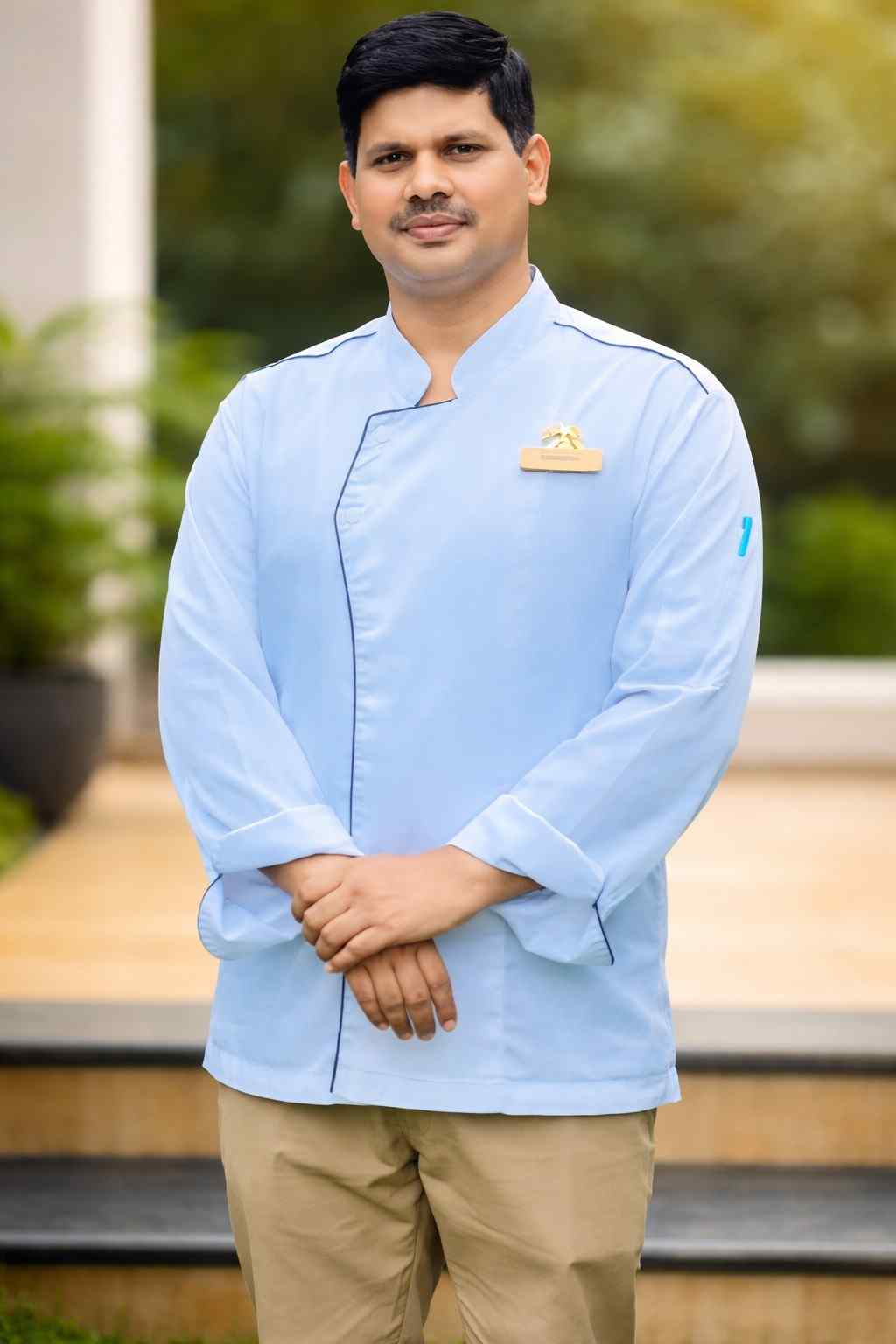
Chef Mahesh Mahto emphasizes that SOPs are not just guidelines—they are operational anchors that ensure predictability in high-pressure environments.
What SOPs Really Do
At their core, SOPs define:
- How tasks are performed
- When tasks are performed
- Who is responsible for them
- What standard must be achieved
They remove ambiguity from daily operations.
Eliminating Variability
One of the biggest challenges in kitchens is variability. When different staff perform tasks differently, outcomes become inconsistent.
SOPs eliminate this by ensuring that every process follows the same structure regardless of who is executing it.
From Memory to Documentation
Many kitchens rely on memory and experience. While this works in small setups, it fails in larger or high-volume environments.
SOPs shift reliance from memory to documentation, making operations more reliable and scalable.
Training Becomes Easier
With SOPs in place, training becomes structured and repeatable. New employees can follow documented steps instead of relying solely on verbal instructions.
This improves learning speed and reduces errors.
Improving Accountability
When processes are clearly defined, accountability becomes easier to manage. Staff understand their responsibilities and performance expectations.
This reduces confusion and improves discipline.
SOPs Reduce Operational Stress
During peak service, staff do not have time to think through each step. SOPs provide clarity under pressure, reducing mental strain and improving execution speed.
The Evolution of SOPs
SOPs are not static documents. They evolve based on operational feedback and changing requirements.
Chef Mahto highlights the importance of regularly updating SOPs to reflect real-world conditions.
Common Mistakes in SOP Implementation
Many kitchens fail to implement SOPs effectively due to:
- Overly complex documentation
- Lack of staff training
- Inconsistent enforcement
- Poor communication
SOPs must be practical, not theoretical.
Conclusion
SOPs are not optional in modern kitchens—they are essential for consistency and scalability. Chef Mahesh Mahto’s approach shows that when procedures are clearly defined and followed, kitchens become more stable, efficient, and predictable.
Media Coverage & External Links
Read the full feature:
Interview:
Also featured in The Literature Times:
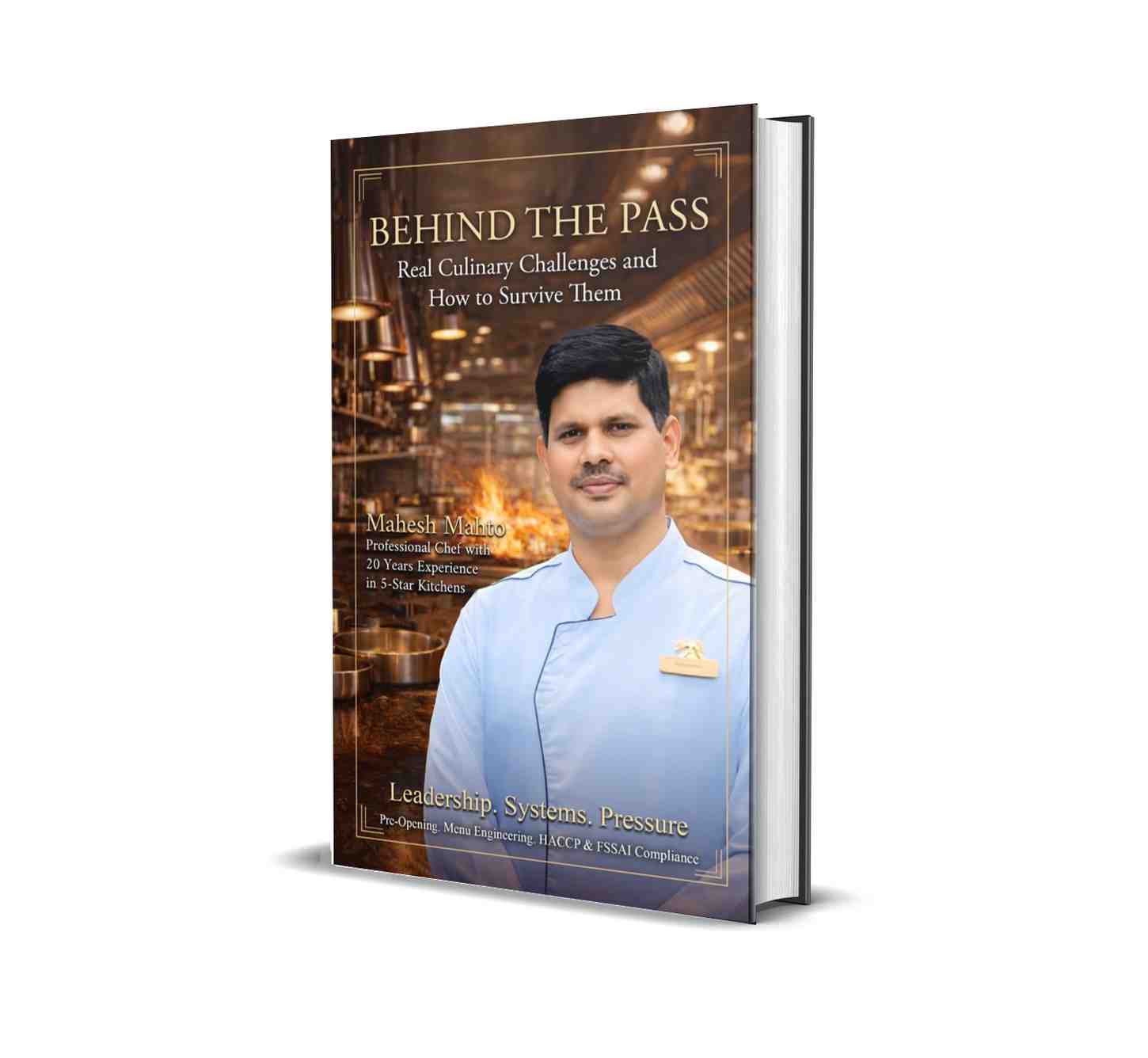
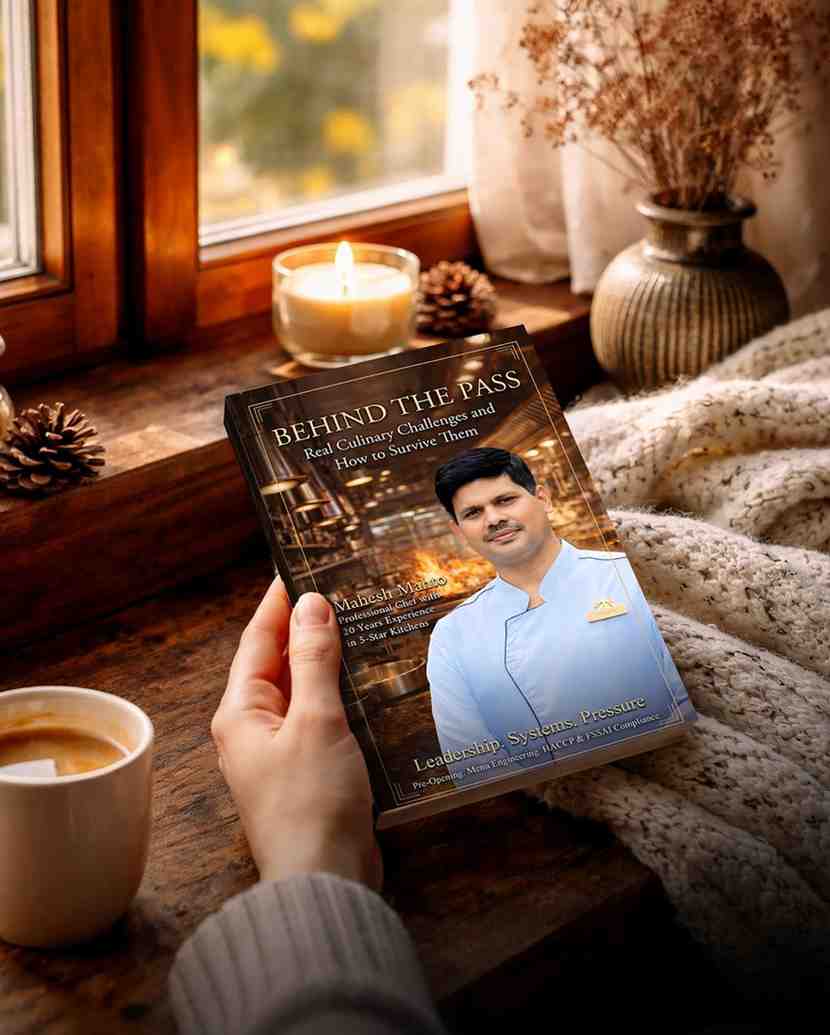
Get Your Copy
The pass is open.
- Amazon — https://lnkd.in/gh__9vkJ
- Flipkart — https://lnkd.in/gVcFjHTa
- Astitva Store — https://lnkd.in/gpmc_vpp
- Classic Shelf — https://lnkd.in/g7_k4TpW