


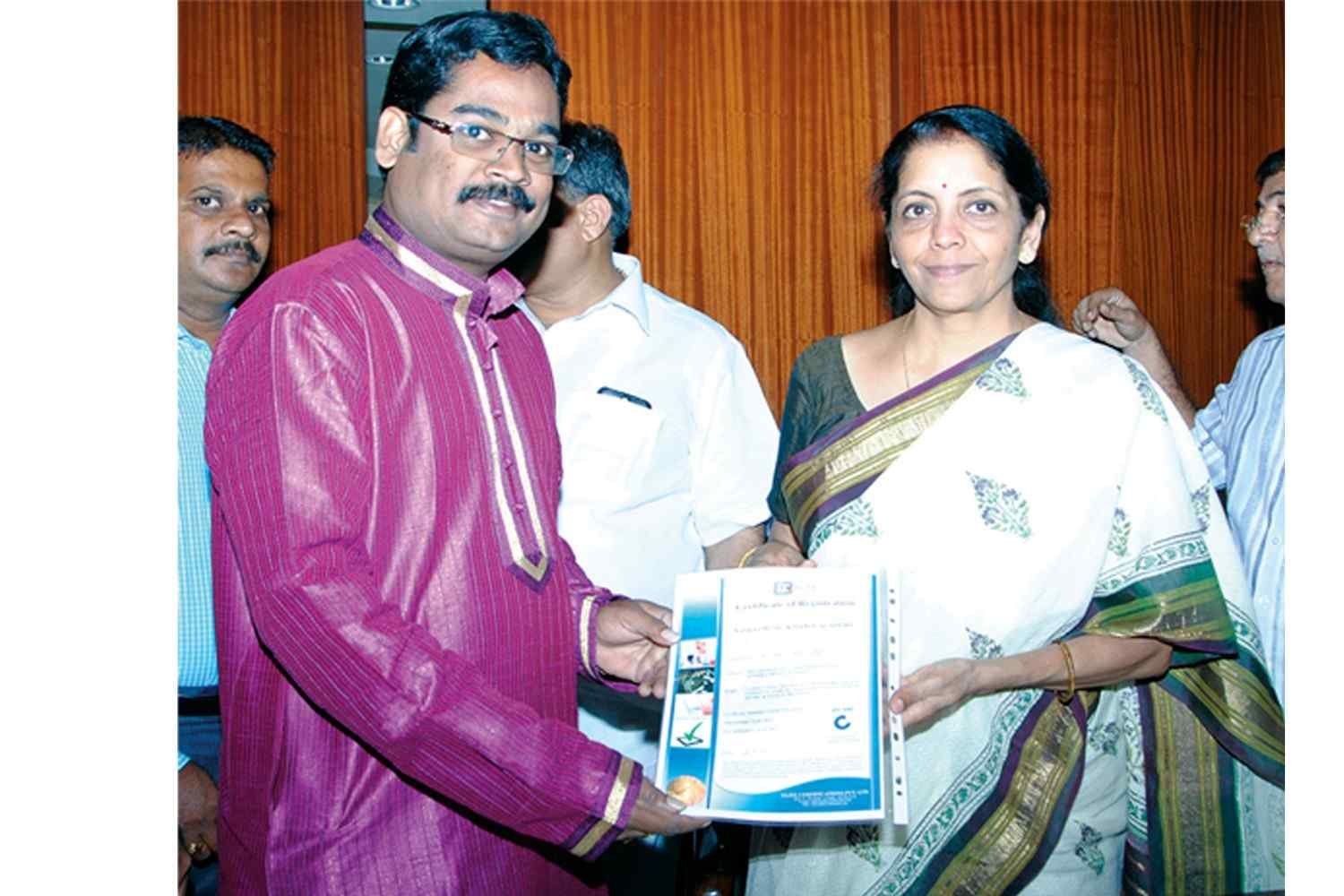
Indian classical dance is a living tradition, but every performance is also a moment in cultural history. When an artiste steps onto the stage, years of training, a particular lineage, repertoire, interpretation and artistic experience come together. Once the performance ends, much of that knowledge can disappear unless it is carefully recorded. This understanding has made documentation an important part of the cultural work associated with Kuchipudi exponent, researcher and organiser Vikram Kumar B R, popularly known as Bathina Vikram Goud.
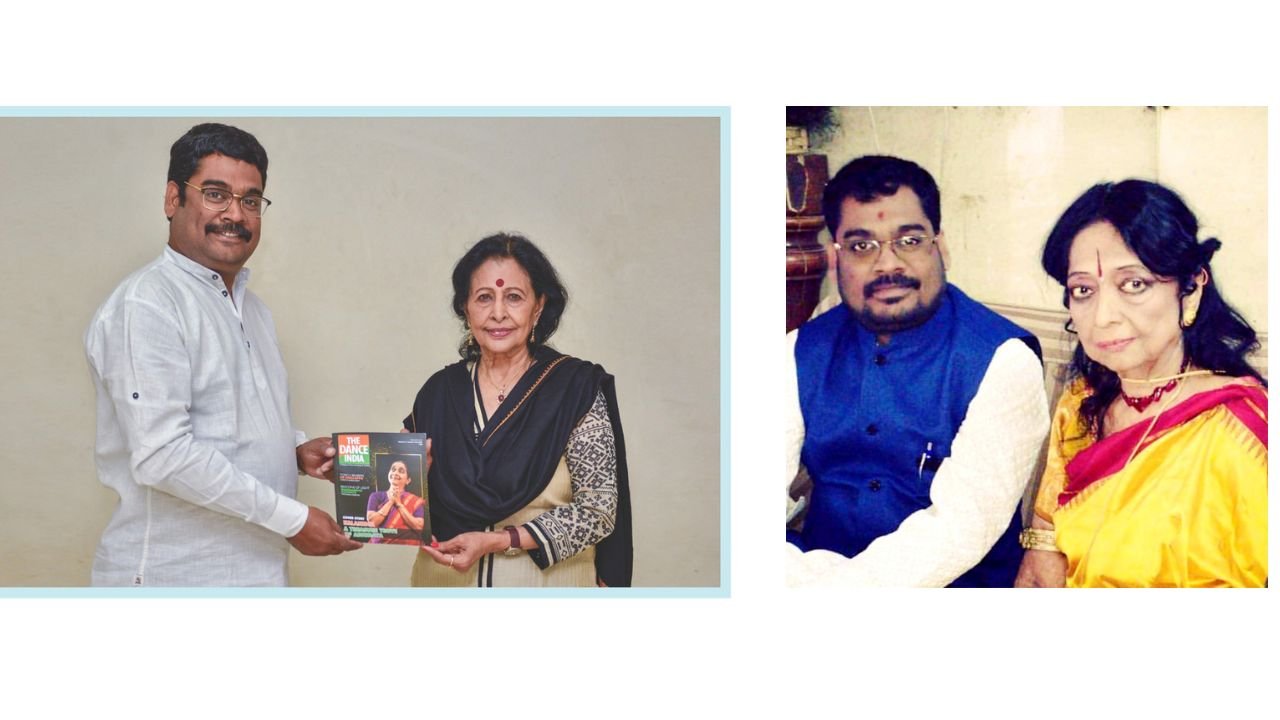
Throughout his career, Vikram Kumar B R has worked across performance, choreography, education, theatre, festival organisation and cultural journalism. These different areas have contributed to a broader vision in which Indian classical arts must not only be performed but also systematically documented for future generations.
His involvement with The Dance India, a national English-language cultural publication, represents one of the most visible dimensions of this documentation-oriented approach. Through articles, profiles, performance reviews and features on dance traditions, the publication creates written records of India’s performing-arts community.
Documentation becomes particularly important when dealing with senior gurus and veteran artistes. Their contribution may span several decades and include knowledge that is difficult to capture through a single performance. Their experiences with repertoire, teaching methods, choreography and artistic interpretation form part of the history of the traditions they represent.
Recording such contributions can help future students and researchers understand how an art form has developed over time. It can also ensure that artists who have dedicated their lives to classical dance are properly represented in the historical record.
Vikram Kumar B R’s own background demonstrates the connection between artistic practice and research. He completed a Master’s degree in Kuchipudi and conducted academic research into Siva Thandavam and Saptha Thandavam within the Kuchipudi tradition. His research experience reinforces the importance of examining traditional arts through both practical performance and documented knowledge.
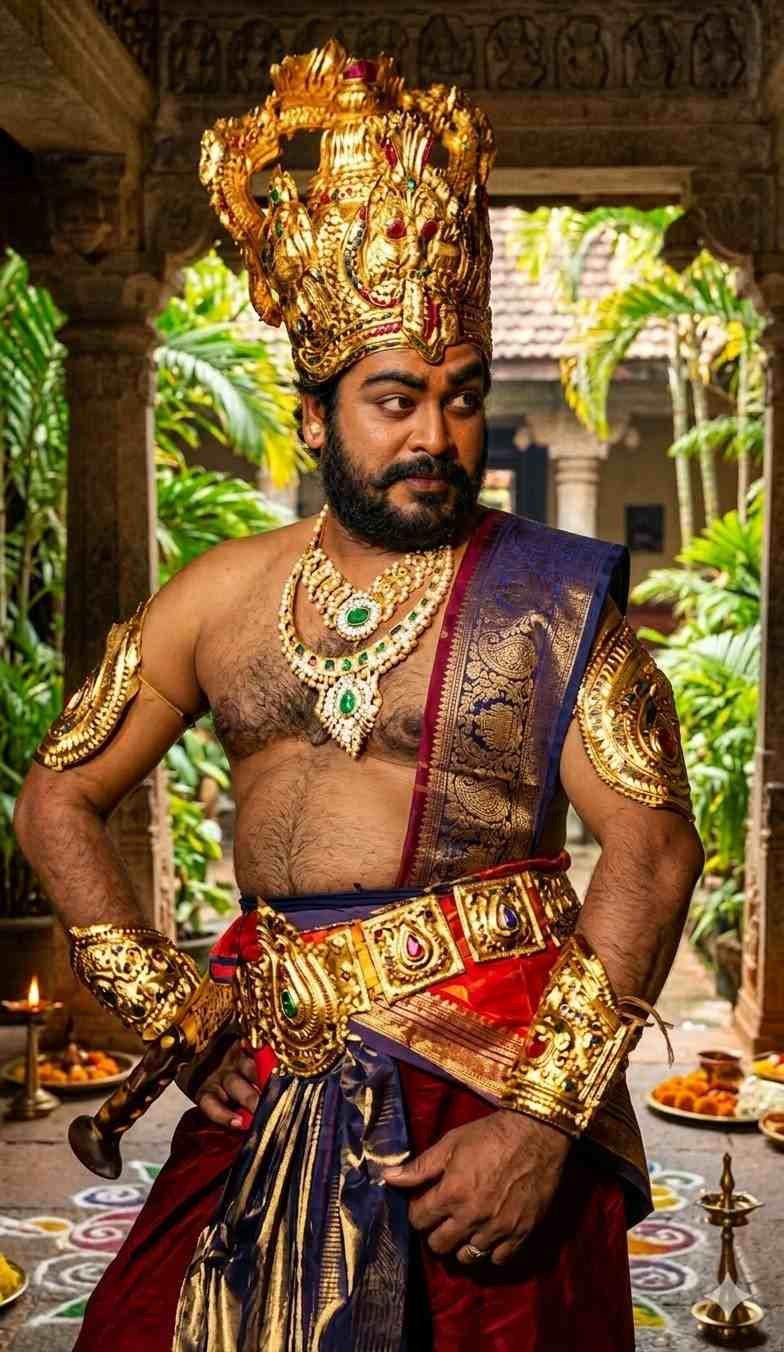
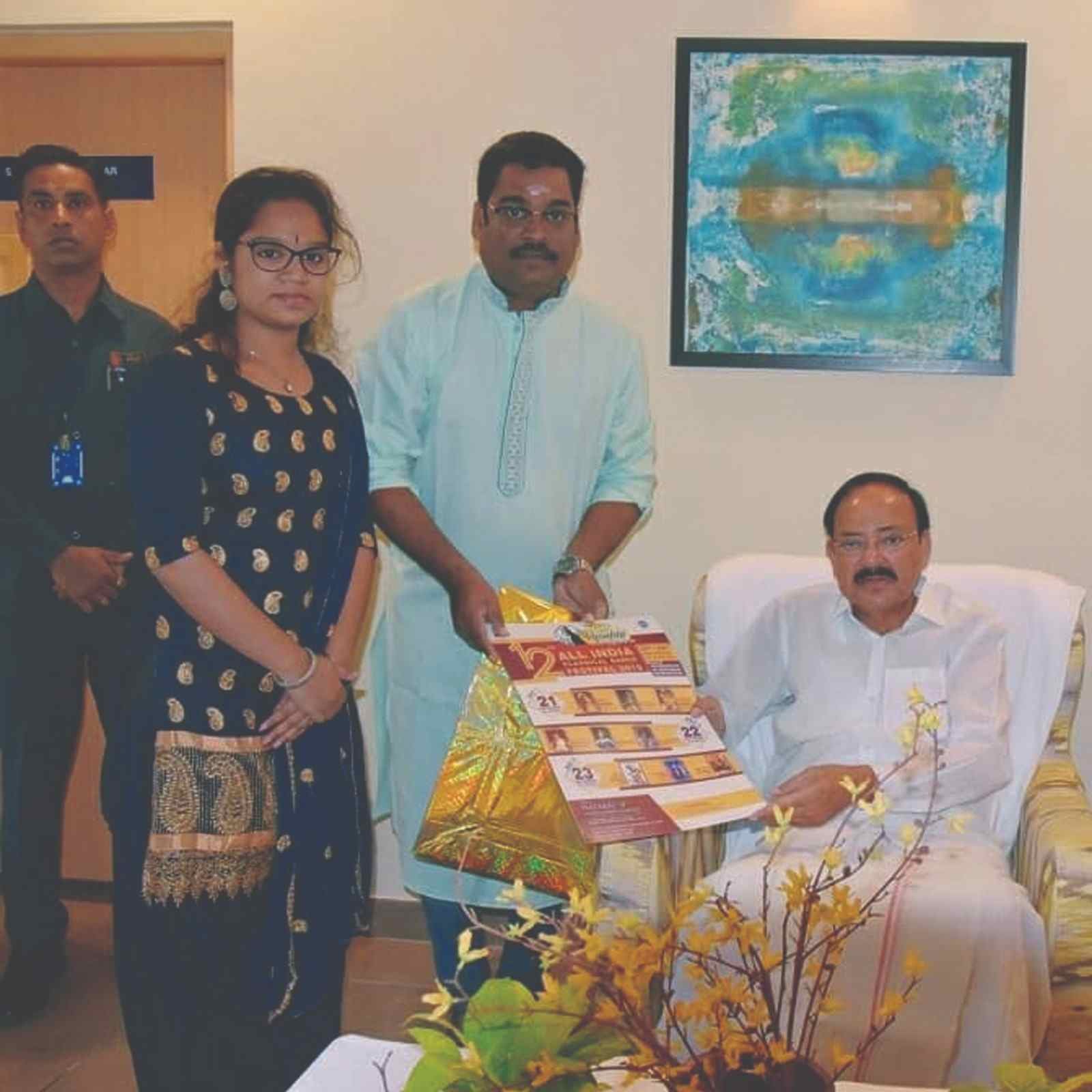
His cultural initiatives have also generated material worthy of preservation. Festivals, workshops, seminars, competitions and collaborative productions bring together artists and cultural institutions. Each event creates information about performers, repertoire, artistic approaches and changing audience engagement.
Without documentation, much of this information can remain temporary.
A festival may take place over a few days, but photographs, articles, interviews, programmes and archival recordings can preserve its cultural significance long after the stage has been dismantled. Over time, these individual records can form a larger archive of the development of Indian dance.
The need for accurate documentation has become even more important in the digital era. Cultural material can now be copied and distributed almost instantly. While technology has made access easier, it has also created challenges involving attribution, context and artistic ownership.
Vikram Kumar B R has expressed concern about unauthorised copying and uncredited use of creative material, including choreography, music, photographs, articles and archival recordings. His advocacy suggests that documentation should not simply collect material but should also establish reliable information about its origins and creators.
This approach is important for maintaining artistic integrity. When a cultural work is documented with its creator, tradition and context clearly identified, future users are better equipped to understand where the material came from and how it should be interpreted.
Documentation also has an educational purpose. Young dancers can use historical profiles and recorded performances to learn about artists who shaped their traditions. Researchers can examine changes in repertoire and performance practices. Audiences can gain a deeper appreciation of the cultural background behind what they see on stage.
The documentation movement associated with Vikram Kumar B R therefore operates across several levels. Cultural journalism records contemporary activity, academic research examines traditional knowledge, festivals create new performance records, and biographical publications preserve the stories of important artistes.
His initiative to distribute thousands of complimentary copies of books on Kuchipudi legend Padma Bhushan Dr. Vempati Chinna Satyam further reflects this commitment to preserving artistic history through accessible publications.
The underlying philosophy is that preservation should not depend entirely on memory. Traditions need practitioners to keep them alive, but they also need reliable records to ensure that future generations can understand their origins and evolution.
From performances and festivals to publications and research, Vikram Kumar B R’s work demonstrates an increasingly important role for documentation within the Indian classical arts ecosystem.
The ultimate objective is not to place tradition in an archive and leave it there. Instead, documentation can provide a bridge between the past and the future—allowing artists, students, researchers and audiences to access knowledge while continuing to practise and develop the living traditions of Indian classical dance.